

Baseball Pitch Recognition Training: Make the Offseason Count
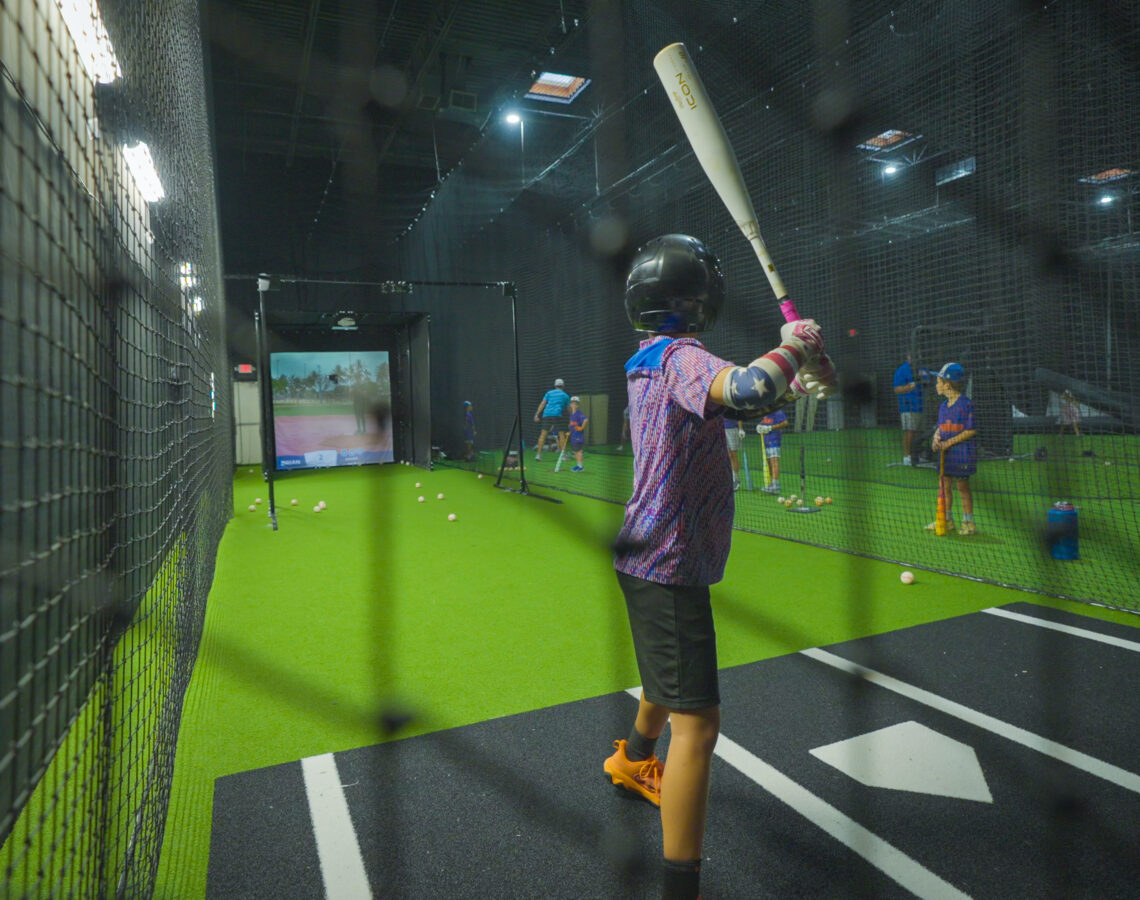
A hitter can look comfortable in batting practice and still struggle when the next pitch is uncertain. Repeating a familiar delivery gives players a chance to work on movement, but a game also asks them to recognise what is coming and decide whether to swing.
Baseball pitch recognition training gives offseason practice a clearer purpose: connect the delivery a player sees with the decision they make.
What is baseball pitch recognition training?
Pitch recognition training involves reading information from a delivery and choosing an appropriate response. That might mean preparing for a change in speed, recognising location, or leaving a pitch outside the intended hitting zone.
A useful session therefore asks two questions: did the player make the intended decision, and what happened when they made contact? Assessing both helps coaches avoid judging every swing solely by its outcome.
Build uncertainty into offseason baseball hitting
Start with a clear objective. A player working on outside pitches needs a different session from someone who commits too early when speeds change.
One coaching approach is to begin with a predictable delivery, giving the hitter time to understand the task. Then introduce variation within the equipment’s available settings. Finally, include pitches the player should leave.
Tell the player what counts as a successful decision before the block starts. For example, a controlled take outside a chosen zone can meet the objective even though no ball is hit.
Keep practice appropriate to the player’s ability. Making every delivery harder can obscure the skill you are trying to assess.
Use video feedback to ask better questions
When a hitter struggles, replay can help a coach investigate what happened. Was preparation late? Did the player commit before recognising the delivery? Did the same response appear across several attempts?
Choose a small number of examples to discuss. Agree on one adjustment, then repeat a comparable block to see whether the response changes.
Treat a single strong swing as an example to examine. A pattern across multiple attempts is more useful when deciding what to practise next.
Where a baseball simulator fits
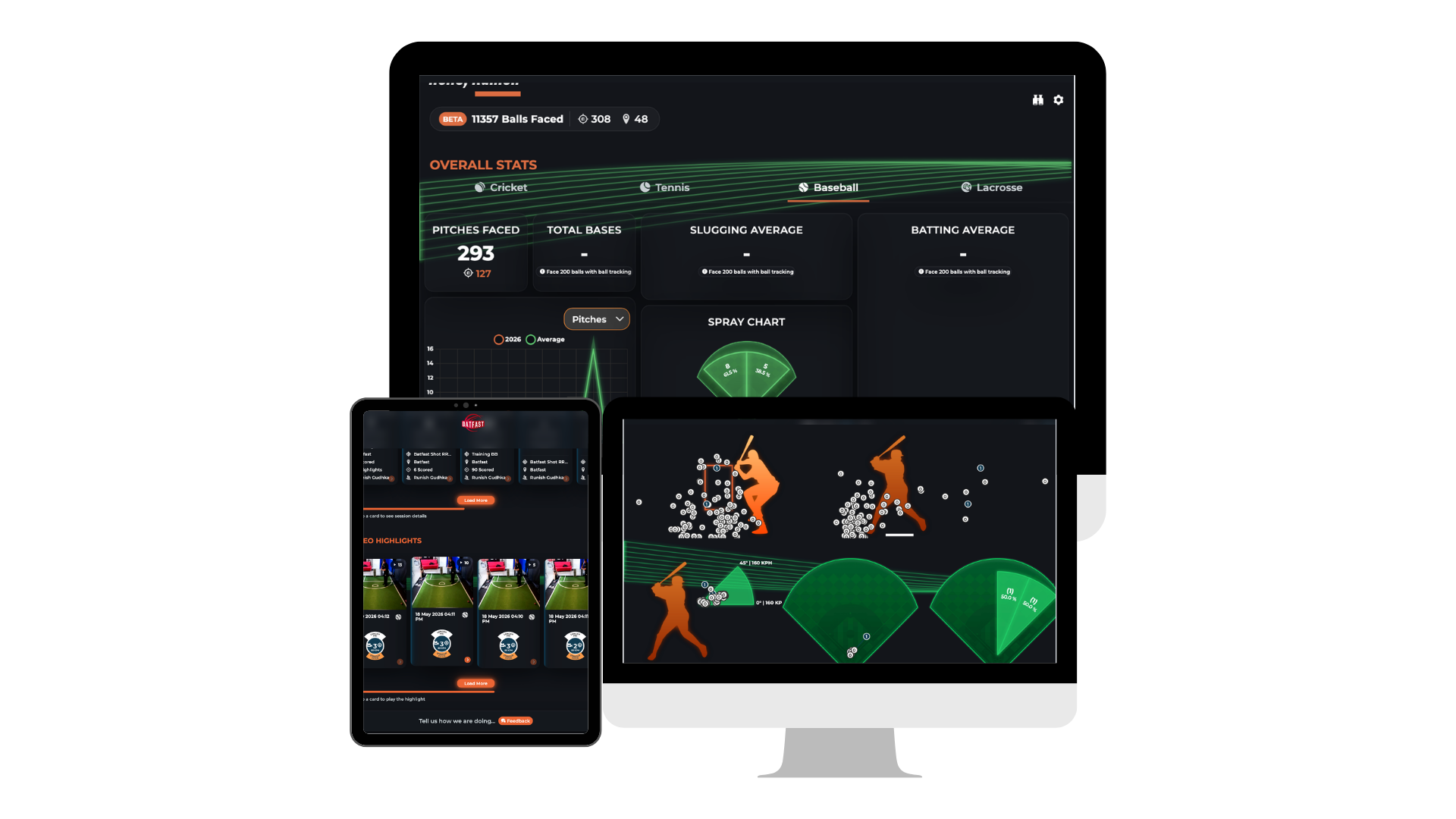
A baseball simulator can bring automated pitching, an immersive environment, ball tracking and video capture into an indoor training session.
For a coach, the practical opportunity is to organise practice around a defined question and review the response. Available pitch settings and feedback should guide the session design.
For academies and training venues, this also creates a clear way to explain a session’s purpose: what the player will work on, what feedback they will review, and how their next visit can build on it.
Make the next session specific
An offseason plan should leave the player with something more useful than a total number of swings. Record the objective, the decisions observed, and the next adjustment to test.
That gives baseball pitch recognition training a repeatable structure, while keeping the coach’s judgement at the centre of the process.
Planning an indoor baseball training space? Explore BatFast’s baseball simulator and discuss how it could support your coaching programme.
FAQs
What is baseball pitch recognition training?
Baseball pitch recognition training involves reading information from a delivery and choosing an appropriate response, such as preparing for a change in speed, recognising location, or leaving a pitch outside the intended hitting zone.
How can coaches add pitch recognition to offseason baseball hitting?
Start with a clear objective and a predictable delivery, then introduce variation within the equipment’s available settings and include pitches the player should leave. Define what counts as a successful decision before each block.
How does video feedback help with pitch recognition drills?
Replay helps a coach check whether preparation was late or whether the hitter committed before recognising the delivery. Patterns across several attempts are more useful than judging a single swing.
Can pitch recognition training happen indoors?
Indoor practice can include changes in delivery and swing-or-take tasks. Its usefulness depends on the equipment, the visual information available and how the coach structures the session.
How does a baseball simulator support indoor baseball training?
A baseball simulator can bring automated pitching, an immersive environment, ball tracking, and video capture into an indoor session, helping coaches organise practice around a defined question and review the response.
Does simulator practice replace live pitching?
Live pitching remains important. Simulator sessions can provide an additional setting for targeted practice and feedback.

Leave a Reply
You must be logged in to post a comment.