

Data-Driven Cricket Training: From Feedback to Practice
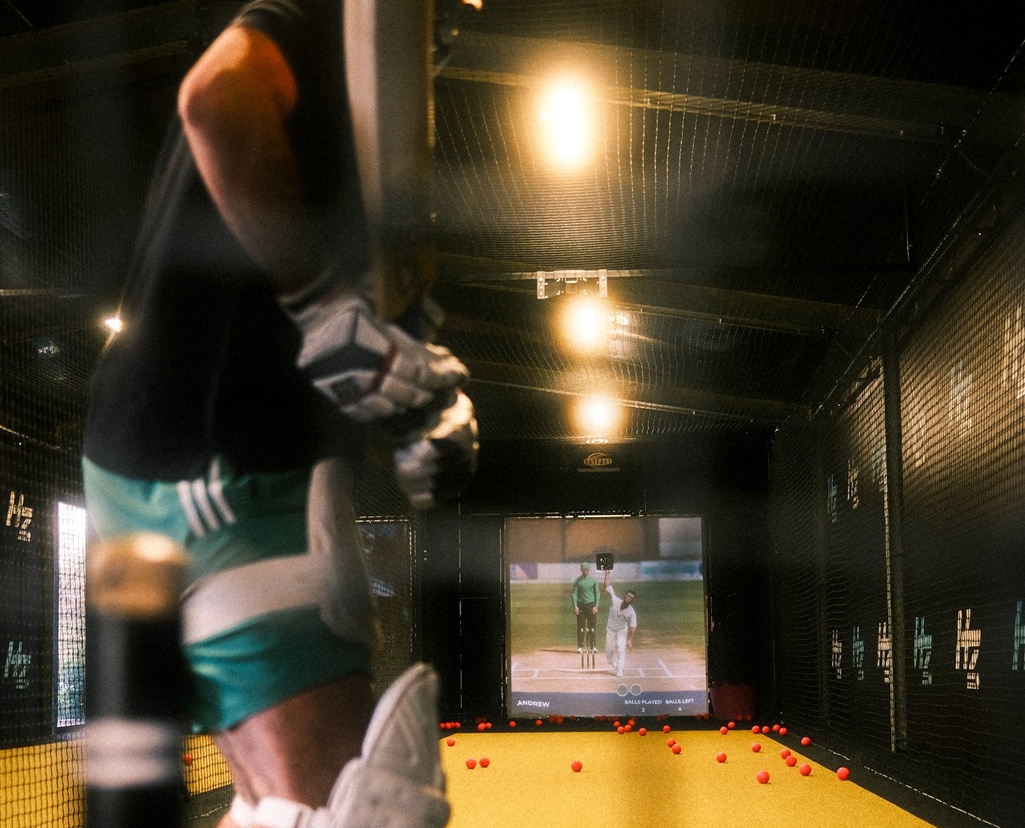
Cricket training technology can capture more of a batting session than a coach could record by hand. The useful question is what happens next: which part of that feedback should shape the player’s next practice?
That question is timely ahead of the Cricket Innovation Forum at Lord’s on 10 November 2026, where the programme includes analytics, coaching workflows and training environments. BatFast co-founder and CTO Jignesh Patel will join the panel on “Building the next generation of cricket training environments”, sharing insights from a decade of developing BatFast’s simulator technology.
For clubs and academies, data-driven cricket training starts with a clear connection between an observation and an action.
What is data-driven cricket training?
Data-driven cricket training uses recorded information to help plan, assess and adjust practice. Depending on the system, that information might include delivery settings, tracked ball outcomes and video of the batter.
The aim is to support coaching decisions. A dashboard becomes useful when it helps a player understand what they are practising and helps a coach decide what to change.
Start with a batting question
Before opening a report, choose one question the session should answer. A batter might want to leave more confidently outside off stump, control a scoring area against spin or prepare earlier against pace.
Each objective requires a different practice task. Define success before the first delivery. At HitZ Cricket, powered by BatFast, batters can access all of their ball-by-ball data on an online stats platform, accessible from anywhere around the world.
Combine ball tracking with cricket video analysis
Ball outcomes and video offer different perspectives. Tracking can help identify a repeated result; replay gives the coach a chance to examine the movement and decision behind it.
Suppose a player repeatedly sends the ball away from the intended scoring area. Review several examples alongside the delivery settings. Ask whether the pattern relates to the delivery, the chosen shot, or the way it was executed.
Avoid concluding one clip. Use the footage to guide a conversation, then agree on an adjustment to test.
Turn feedback into a repeatable session
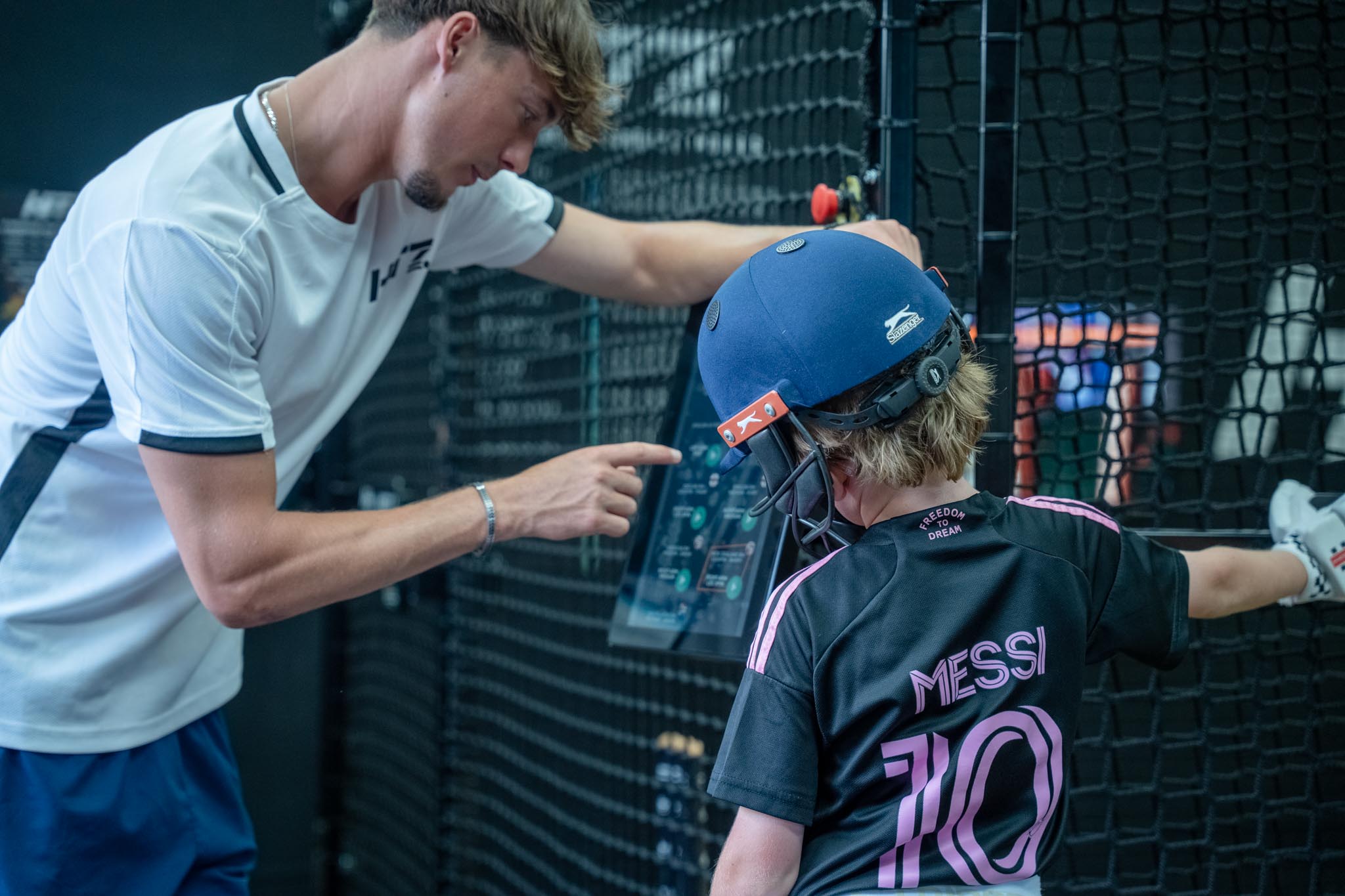
A practical coaching sequence is to establish a baseline, introduce one adjustment, and repeat a comparable task.
Keep the delivery conditions and scoring objective similar when comparing attempts. Otherwise, a change in results might reflect a different challenge rather than a different response.
Pro-tip: Record a short note after the session: what was observed, what was changed, and what the next practice should test. That note can make the following visit more purposeful.
Where BatFast supports the process
BatFast’s cricket simulator combines automated bowling, immersive practice, ball tracking and video capture all into one seamless data-analytics platform.
Jignesh Patel and his team have spent the past decade developing that technology. His panel at Lord’s looks at the next generation of cricket training environments. The principle behind this article applies there too: training data is most valuable when it helps a coach plan a specific next session.
Those tools give coaches and players material to review alongside their own observations. The training objective should determine which available settings and feedback are relevant.
For an academy or venue, a focused training offer also gives players a clear reason to return: another opportunity to work on an agreed part of their game.
Keep coaching at the centre
The value of cricket batting analysis lies in the decisions it supports. Start with a question, look for a pattern, and test a manageable adjustment.
That is a practical foundation for data-driven cricket training: feedback that leads to a specific next session.
Developing a cricket training facility? Explore BatFast’s cricket simulator and discuss how it could fit your coaching environment.
FAQs
What is data-driven cricket training?
Data-driven cricket training uses recorded information, such as delivery settings, tracked ball outcomes, and video of the batter, to help coaches plan, assess, and adjust batting practice.
What cricket training data should a coach review first?
Start with information relevant to the session objective. Delivery settings, ball outcomes, and video can each help answer different questions.
How do ball tracking and cricket video analysis work together?
Ball tracking can help identify a repeated outcome, while video lets the coach examine the movement and decision behind it. Reviewing several examples together gives a more reliable picture than a single clip.
How do you turn cricket batting analysis into a practice plan?
Establish a baseline, introduce one adjustment, and repeat a comparable task under similar delivery conditions. A short note on what was observed, what changed, and what to test next helps shape the following session. At HiTZ Cricket, players can save their training routines to their profiles so they can come back and train against the same parameters again.
How can a cricket simulator support data-driven training?
A cricket simulator such as BatFast’s combines automated bowling, immersive practice, ball tracking and video capture, giving coaches and players material to review alongside their own observations.
Does training data replace a cricket coach?
A coach provides context, selects appropriate tasks, and interprets feedback with the player. Technology can support that work and help the player train autonomously without always having to depend on a coach for context.

Leave a Reply
You must be logged in to post a comment.