

Turning Unused Space into a Profitable Baseball Training Business
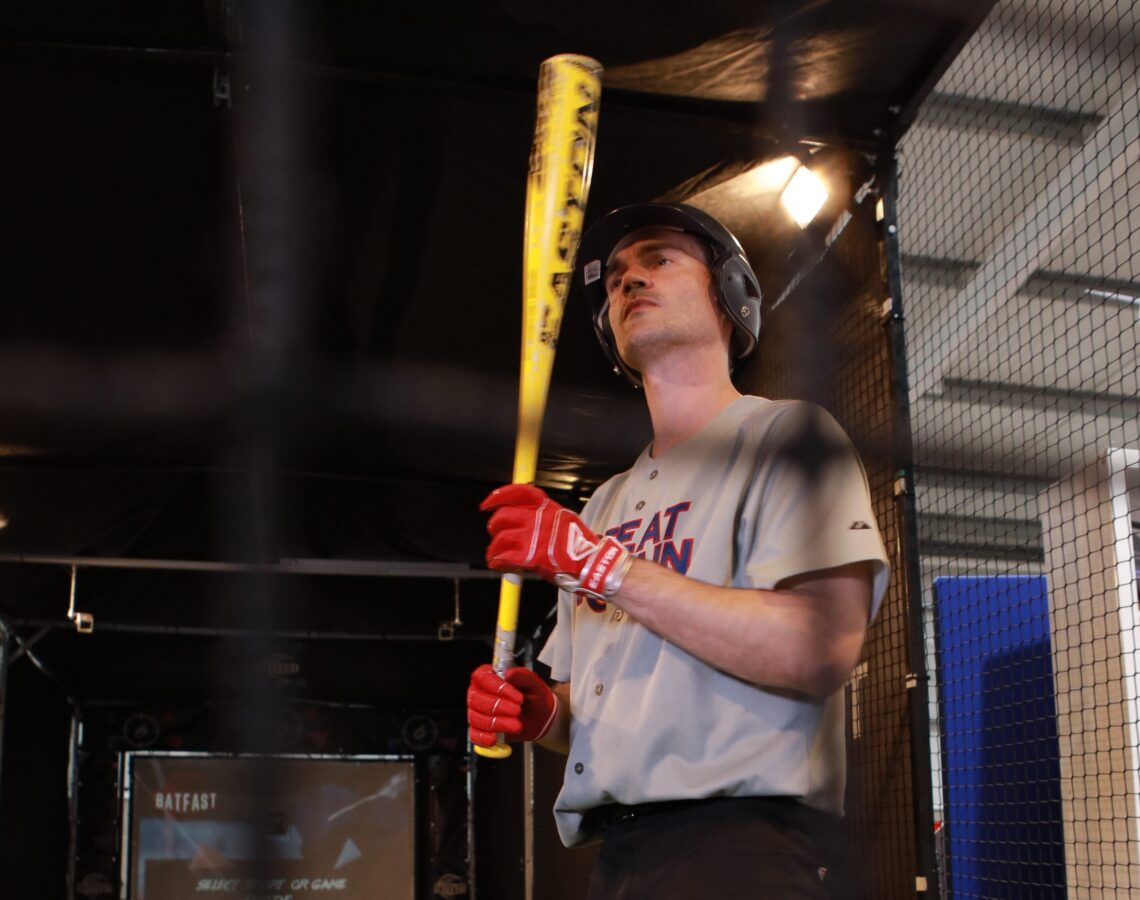
Gyms, warehouses, clubs, hospitality venues, and sports facilities around the world usually sit on an abundance of underutilized indoor space. At the same time, demand for flexible, year-round baseball practice continues to grow, signifying a clear opportunity: turning unused square footage into a baseball training business that generates consistent revenue without relying on seasonal footfall or heavy staffing models.
This shift is being seen across major baseball markets, including the United States, Canada, Mexico, Japan, and the United Kingdom, regions where space is limited, costs are high, and participation increasingly depends on convenience. The trend can also be observed in other similar sports like cricket or tennis.
Unused indoor space is a missed revenue opportunity
Many facilities already pay for rent, utilities, and maintenance regardless of how much of their space is actively used. Empty rooms, low-traffic corners, or off-peak hours represent lost potential. Traditional baseball models struggle to fill these gaps because they depend on coaches, teams, and fixed schedules, and most importantly, require more space.
A modern baseball training business works differently. Requires under 50 sqm of space, short, bookable sessions, self-serve access, and technology-enabled repetition, allowing facilities to monetize space throughout the day, after school, after work, weekends, and even late evenings.
The role of technology in modern baseball businesses
Technology has become the backbone of scalable baseball training businesses. Automated batting systems, such as baseball simulators and connected player profiles, eliminate the need for constant supervision while still delivering high-quality training experiences.
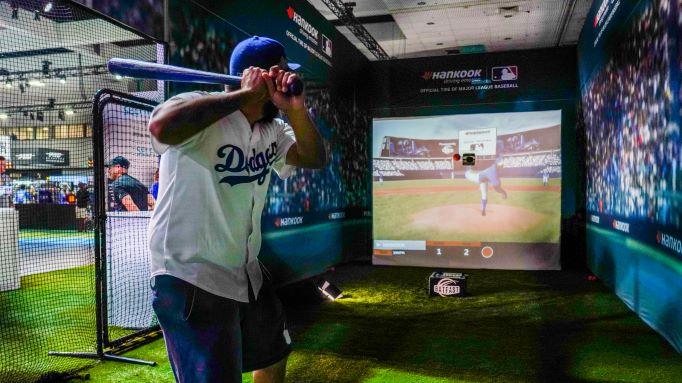
This is where baseball simulators play a practical role, not as novelty attractions, but as infrastructure. A well-designed baseball simulator setup allows players to train independently, track performance, and return frequently. For operators, this means predictable usage, repeat customers, and simplified operations.
BatFast, for example, enables facilities to deploy automated, operator-less baseball setups that integrate into existing spaces. These systems are designed to run consistently with minimal overhead, helping operators focus on utilization and customer experience rather than day-to-day supervision.
A global model with local relevance
While the fundamentals are the same, the appeal of a baseball training business varies slightly by region:
- USA & Canada: Year-round training demand driven by weather, school sports, and competitive pathways
- Mexico: Growing participation paired with limited indoor infrastructure
- Japan: High repetition culture, compact spaces, and a strong appetite for technology-led training
- UK: Baseball’s growth alongside limited access to traditional facilities
The ability to install training systems into existing indoor spaces in each of the above markets significantly lowers the barrier to entry against building traditional facilities from scratch.
How baseball training businesses generate revenue
Successful baseball training businesses typically rely on a mix of:
- A fully automated baseball simulator
- Pay-per-session bookings
- Monthly or annual memberships
- Off-peak usage and flexible scheduling
- Partnerships with academies, schools, or clubs
Because sessions are short and repeatable, facilities benefit from high visit frequency rather than long, infrequent bookings.
Why this model scales
The biggest advantage of turning unused space into a baseball training business is scalability. A baseball simulator set up does not result in any proportional increase in staffing or operations. Facilities can expand hours, add memberships, or replicate the model across locations.
Rather than replacing traditional coaching or team programs, this approach complements them, filling gaps, increasing access, and keeping players engaged all year.
The future of baseball facilities
As real estate costs rise and participation models evolve, baseball facilities that maximize space efficiency will be the ones that thrive. Turning unused indoor areas into self-serve training environments is no longer experimental; it’s becoming a proven pathway to sustainable, technology-enabled growth.
For entrepreneurs, academies, hospitality venues, and sports operators, the baseball training business is no longer about building bigger spaces. It’s about using the space you already have — better.
Explore BatFast Baseball Simulators to see how data, realism, and year-round accessibility can redefine your baseball training journey.
FAQs
How are baseball simulators used for a training business?
A baseball training business monetizes indoor space by offering paid batting or training sessions, often through short bookings or memberships using a baseball simulator that can make training autonomous, data-driven and weatherproof.
Do I need a large space to start one?
No. Many businesses operate successfully in compact or underused indoor areas with the right layout and technology – typically around 50sqm.
How do baseball simulators help this model?
Baseball simulators enable automated, repeatable training, allowing facilities to run sessions without constant staff or coaches.
Is a baseball training business viable year-round?
Yes. Indoor setups remove weather and seasonal limitations, creating consistent demand throughout the year.
Who typically pays for these sessions?
Youth players, competitive athletes, academies, teams, and adult recreational players are the core customer groups.

Leave a Reply
You must be logged in to post a comment.