

Baseball Simulators: A Fun Way for Kids to Learn the Game
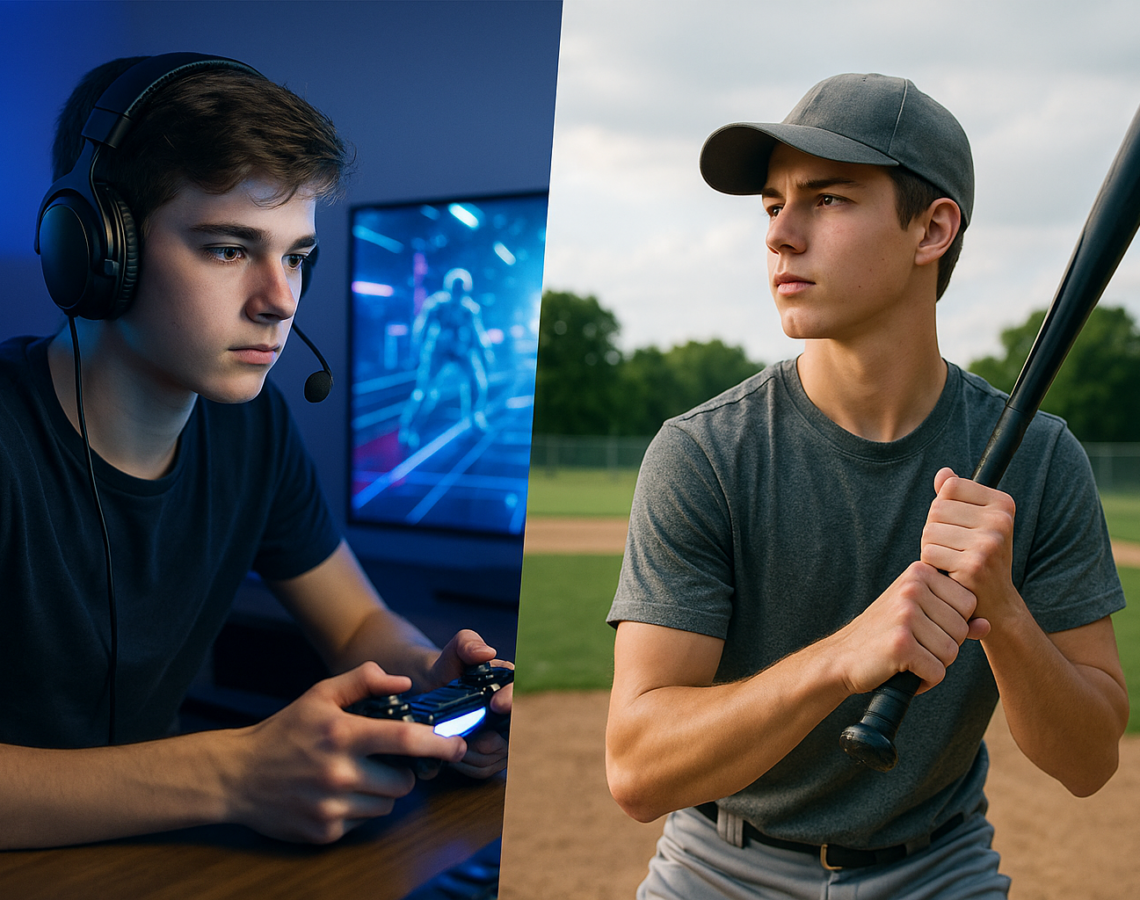
Introducing kids to baseball has never been more challenging, or more exciting. Attention spans are shorter, competition from other sports is intense, and fun is just as important as fundamentals. This is where the baseball simulators are fast becoming a very useful tool in introducing more young players into the game.
Why Baseball Simulators?
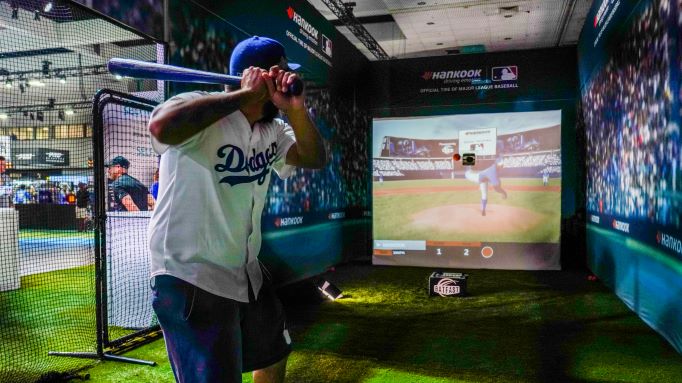
Modern baseball simulators use gamification to make learning feel like play. Kids aren’t just hitting balls, they’re scoring points, unlocking challenges, and competing with friends. Every swing becomes interactive, turning practice into an experience they actually look forward to.
Simulators help young players build core skills such as hand-eye coordination, timing, and swing mechanics in a safe, controlled environment. Speeds and difficulty levels can be adjusted, ensuring beginners aren’t overwhelmed while still keeping sessions engaging.
Visual feedback and instant results are key. Kids can see how hard they hit the ball, where it went, and how they’re improving over time. This sense of progress builds confidence and keeps them motivated to return. Another major benefit is accessibility. Indoor baseball simulators remove barriers like weather, field availability, and large team dependencies. Kids can play more often, in shorter sessions, without needing full team setups.
The Future
By blending sport with technology and game-style rewards, baseball simulators are becoming one of the most effective ways to introduce kids to the sport, helping grow participation while making the first steps into baseball genuinely fun.
For baseball to grow, the sport needs to meet kids where they are, digitally engaged, time-conscious, and driven by fun. Baseball simulators achieve this by combining skill development with gamification, making the first experience of baseball exciting rather than intimidating. By offering safe, accessible, and interactive environments, simulators help spark early interest, build confidence, and encourage repeat play. In a world full of competing sports and screens, baseball simulators are proving to be one of the most effective ways to bring the next generation into the game.
FAQs
1. Are baseball simulators good for kids and beginners?
Yes. Baseball simulators are ideal for kids because they allow difficulty levels to be adjusted based on age and ability. Slower pitches, simplified challenges, and visual feedback help beginners build confidence without feeling intimidated.
2. How does gamification help kids stay interested in baseball?
Gamification turns practice into play. Points, challenges, leaderboards, and interactive visuals keep kids engaged and motivated. Instead of repetitive drills, every swing feels rewarding, which encourages kids to play more often and stay connected to the sport.
3. Can baseball simulators support real skill development?
Absolutely. While simulators are fun, they also build core skills such as hand-eye coordination, timing, swing mechanics, and decision-making. As kids improve, training can gradually become more performance-focused, creating a natural development pathway.

Leave a Reply
You must be logged in to post a comment.